Posted by
Themes
Context
CFBF's fifth transaction backs four solar hybrid mini-grids in Cross River State, set to electrify 3,600 households and businesses.
The Climate Finance Blending Facility (CFBF), a catalytic first-loss multi-donor co-financing facility for off-grid clean energy projects in Nigeria, has mobilized long-term local currency financing for CEESOLAR Energy Limited's renewable energy initiative in Cross River State. This represents the fifth transaction supported by the facility, which operates with £10 million in concessional capital from the UK Foreign, Commonwealth & Development Office (FCDO), supplemented by US$10 million from British International Investment (BII) and a US$20 million counter-guarantee facility.
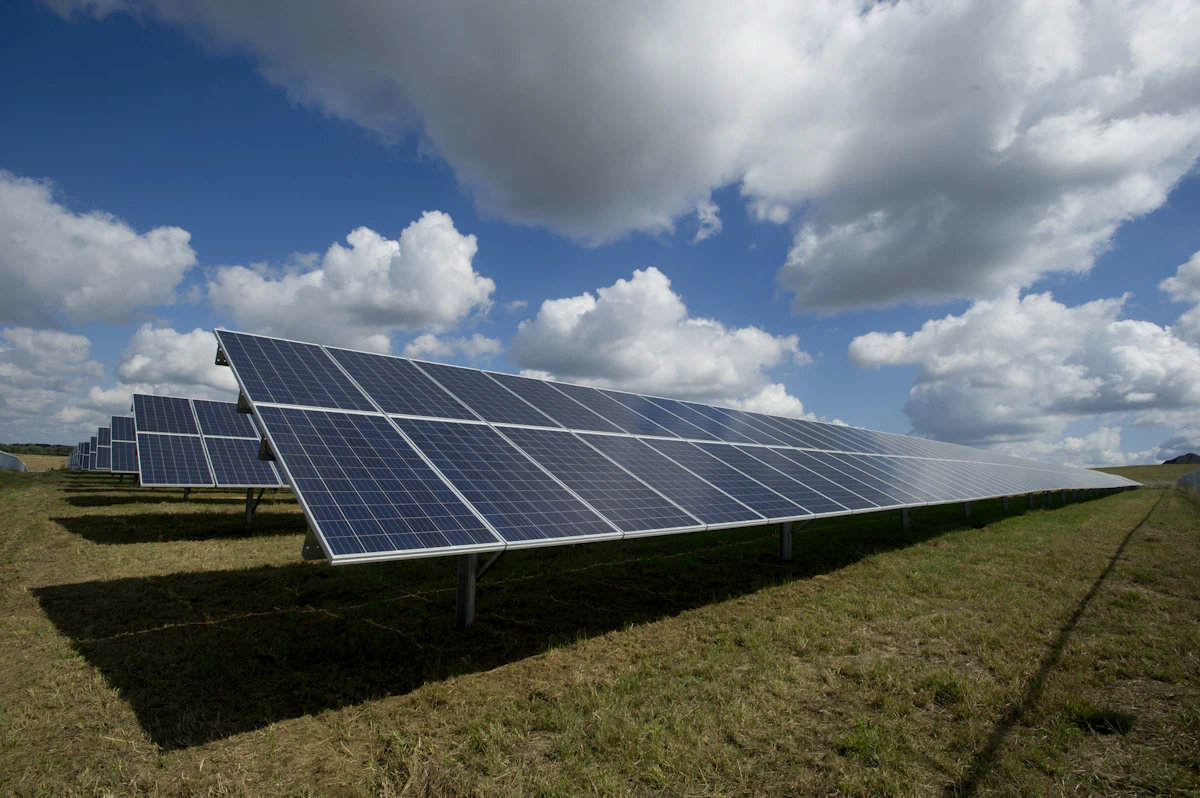
The initiative will construct and commission four isolated solar hybrid mini-grids with a combined capacity of 760 kWp across underserved communities. Upon completion, these installations are projected to electrify approximately 3,600 households and small businesses, generate an estimated 561 jobs, and prevent over 737 tonnes of annual CO₂ emissions. The project aligns with Nigeria's universal electrification agenda and supports Sustainable Development Goal 7.
Earlier projects financed through the CFBF have deployed approximately ₦9 billion across four developers — Darway, Hotspot, ACOB, and Prado — reaching over 25,000 beneficiaries, creating more than 2,300 jobs, and installing approximately 1.7 MW of capacity. The facility has generated a pipeline of approximately ₦243.31 billion across 23 developers.
Construction Finance Warehouse Facility
The CEESOLAR transaction benefited from InfraCredit's Construction Finance Warehouse Facility (CFWF), funded by the Nigeria Sovereign Investment Authority (NSIA), which provides short-term bridge financing to address construction-period liquidity gaps — demonstrating InfraCredit's integrated, end-to-end approach to unlocking capital for sustainable infrastructure projects.
The CFBF combines subordinated first-loss capital from FCDO and development partners with technical assistance from FSD Africa and InfraCredit's 'AAA'-rated guarantees to mobilize long-term domestic institutional capital for distributed renewable energy. The transaction also reflects a strategic partnership between InfraCredit and the Africa Minigrid Developers Association (AMDA), improving access to long-term domestic financing for member developers.
""We are delighted that the UK-funded Climate Finance Blending Facility continues to catalyse local currency debt for renewable energy infrastructure." — Jonny Baxter, UK Deputy High Commissioner in Lagos"
""This milestone reflects CEESOLAR's commitment to bridging Nigeria's energy gap through innovation and collaboration." — Chibueze Ekeh, CEO of CEESOLAR Energy Limited"
InfraCredit CEO Chinua Azubike noted that "this transaction demonstrates the power of partnership — combining catalytic first-loss capital," while AMDA CEO Olamide Niyi-Afuye commented that "this milestone underscores the growing confidence in the capacity of AMDA's members to scale."
The project is registered under the World Bank's Distributed Access through Renewable Energy Scale-up (DARES) Performance-Based Grant Programme, administered by the Rural Electrification Agency (REA). InfraCredit and REA signed a Memorandum of Understanding in August 2022 to address long-term financing bottlenecks for off-grid operators.
About CEESOLAR
CEESOLAR Energy Limited is a renewable energy company providing energy access through decentralized energy systems since 2017. The company has installed 729.5kWp of capacity across mini-grid and stand-alone installations, with over 695 connections across multiple Nigerian states.
