Loading case study...

//ACOB
PROJECT CASE STUDY: / 06
ACOB Lighting Technology Limited
Solar GridOperational
Edo & Ondo States
CAPACITY INSTALLED
335kW
installed green capacity de-risked by first-loss co-financing.
EMISSIONS AVOIDED
352 Tonnes GHG/yr
tonnes of greenhouse gas emissions offset annually by the project.
JOB CREATION
868 Jobs
sustainable direct and indirect jobs facilitated in local communities.
CONNECTIONS POWERED
3,597 Connections
projected household and SME connections powered across Nigeria.
CAPITAL DEPLOYED
₦755 Million
mobilized from institutional investors and pension funds into the real economy.
Project description
Lighting Up Agricultural Villages & Securing Cocoa Centers
The project involves the construction, installation, and operation of isolated solar-hybrid mini-grids with a total capacity of 335 kWp across seven underserved communities in Edo and Ondo States. This initiative aims to supply sustainable electricity to unserved and underserved rural populations in Nigeria, as part of ACOB Lighting Technology Limited’s broader mission to expand energy access.
Interactive Map
Other Regions
Active Region
Selected / Hovered
SpecificationProject Metrics & Details
DEVELOPERACOB Lighting Technology Limited
STATESEdo & Ondo States
CAPACITY335kW
SECTORSolar Grid
CLOSE YEARDec. 2023
PRIVATE CAPITAL₦755 Million
CONNECTIONS3,597 Connections
JOBS CREATED868 Jobs
GHG OFFSET352 Tonnes GHG/yr
Project ID / 06
ACOB Lighting Technology Limited
The challenge & problem
Energy poverty in rural cocoa-farming communities with zero electricity access. Manual cocoa processing caused low productivity and post-harvest decay.
The action plan & solution
Through NGN 755 million in credit-enhanced debt finance, ACOB constructed a 335kWp solar hybrid mini-grid to power households, agricultural centers, and high-efficiency streetlights.
Developmental & environmental impact
Powers 3,597 connections, providing reliable energy to agro-businesses, enhancing security with solar streetlights, and preventing 352 tonnes of GHG emissions yearly.
Financial Close2023
Private Capital Mobilised₦755 Million
Aligned SDG Goals
SDG 7
SDG 8
SDG 13
Financing structure
Blended finance mechanism & risk-mitigation architecture
De-risked Credit Enhancement
The project reached financial close in December 2023 and utilized a blended finance structure co-financed under the UK-funded Climate Finance Blending Facility (CFBF), which provided subordinated first-loss capital. This support enabled ACOB to issue a N755 million 7-Year Series 1 Fixed Rate Guaranteed Senior Green Infrastructure Bond. InfraCredit provided a 'AAA'-rated credit guarantee for the senior debt, successfully de-risking the transaction and crowding in matching investments from 8 domestic institutional investors.
Financing key parameters
Instrument TypeCo-financing / Bond
Credit RatingAAA-Rated (Guaranteed)
Facility SupportCFBF (First-loss)
CurrencyLocal Currency (NGN)
Capital Deployed₦755 Million
Finance architecture
Illustrative transaction structure
Expected impact
A holistic approach to clean energy infrastructure & resilience
The expected impacts of the project include electrifying approximately 3,597 households and small businesses with clean power, creating up to 868 direct and indirect jobs, and reducing greenhouse gas emissions by approximately 352.15 tonnes annually, making a direct contribution to UN SDGs 7, 8, 9, 11, 13, and 17.
01
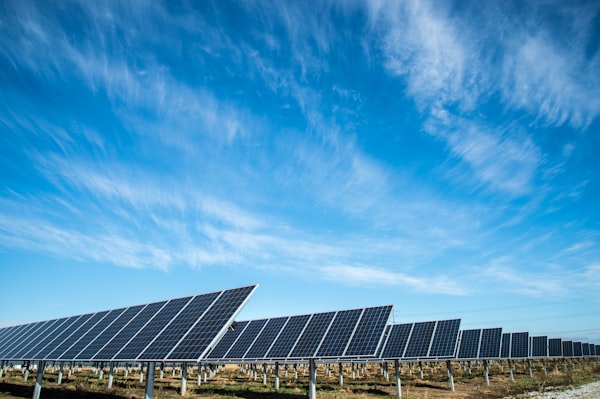
Renewable Energy
SDG 7SDG 13SDG 9
Financing clean energy generation to power communities, foster innovation, and drive global climate action.
02
Energy Efficiency
SDG 7SDG 11SDG 13
Optimizing energy consumption in sustainable cities and industrial infrastructure to reduce carbon footprints.
03
Gender Equality & Jobs
SDG 5SDG 8
Empowering women in leadership and creating decent work opportunities across the clean energy value chain.
04
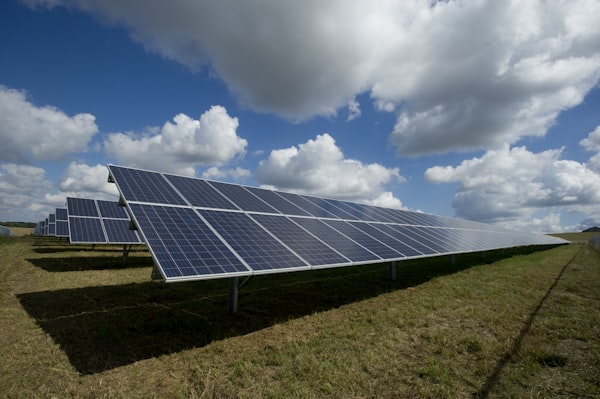
Partnership for Growth
SDG 17
Collaborating with global and local institutions to mobilize capital for sustainable, inclusive development.
Technical Assistance & Support
fsdafricaTechnical Assistance Partner
FSD Africa Support
Funded the upfront due diligence costs for the Project through its technical assistance facility for climate aligned infrastructure bonds established with InfraCredit.
Rating Agency
GCRRATINGS
An Affiliate
of Moody's
Investors Service
of Moody's
Investors Service
Green Verifier
Agusto&Co.
Research, Credit Ratings, Risk Management
Stakeholder testimonials & proof
Community voices & project progress
Project Verification
ACOB Lighting Solar Powered Rural Electrification Project
LocationEdo & Ondo States
Visual portfolio
Shaping a more sustainable tomorrow
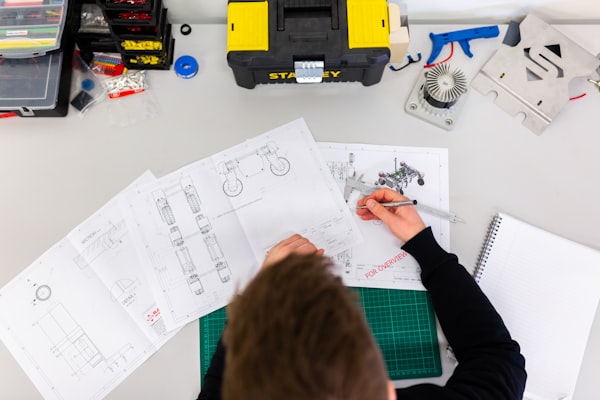

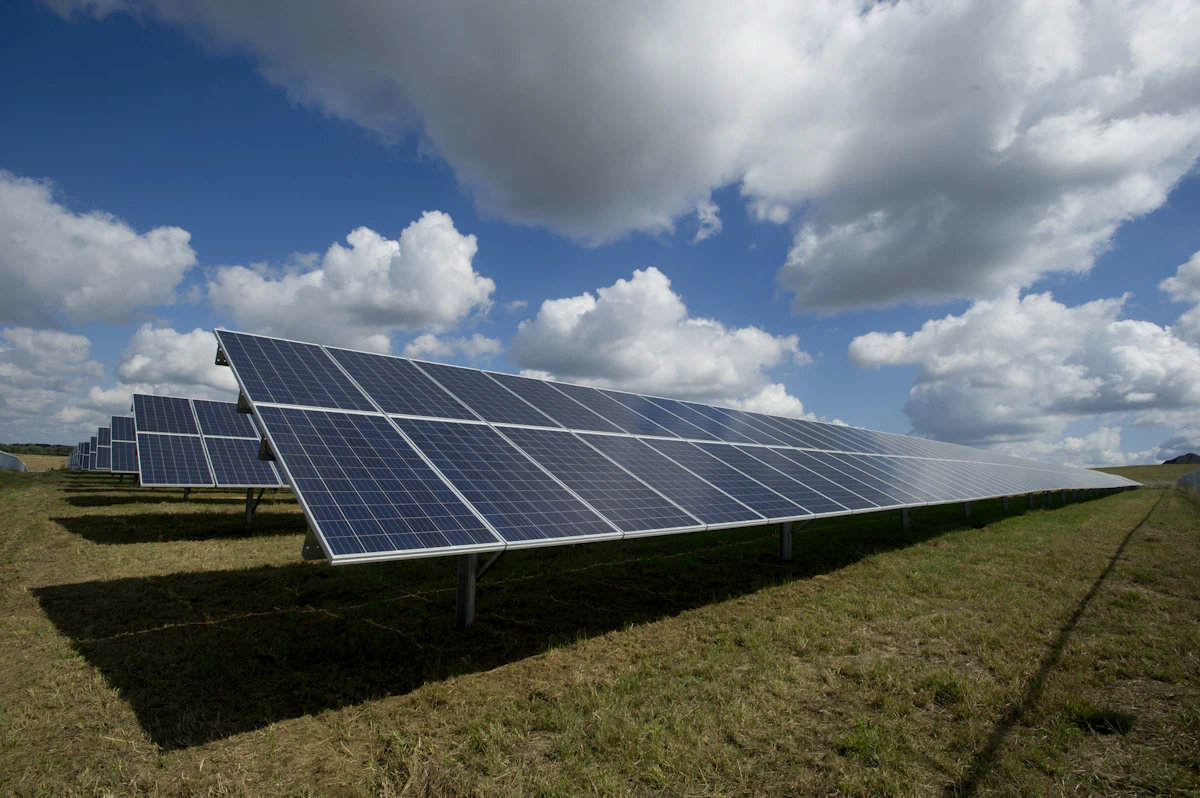
Substation site in Ondo state during peak generation hours.
2 / 4
Explore alternate cases
Related project commitments
CROSS RIVER STATE•760KW
Challenge & Solution
Rurally isolated farming communities in Cross River state had zero electricity connections. Small businesses suffered from irregular operations, and cocoa drying was dependent on firewood combustion, causing regional deforestation.
Financial Close2025
Private Capital₦1.70 Billion
SDG 7
SDG 13
AKWA-IBOM & BENUE STATES•850kW

Challenge & Solution
Akwa-Ibom and Benue states are prime agricultural hubs, yet farmers suffered from high post-harvest losses (over 40%) due to a lack of power for cold preservation, milling, and value-addition processing.
Financial Close2024
Private Capital₦1.95 Billion
SDG 7
SDG 8
SDG 9

Developer pipeline
Ready to scale your green infrastructure?
CFBF provides subordinated debt and credit wraps to de-risk local currency financing. Check if your project meets our qualification standards or connect directly with our intake team.